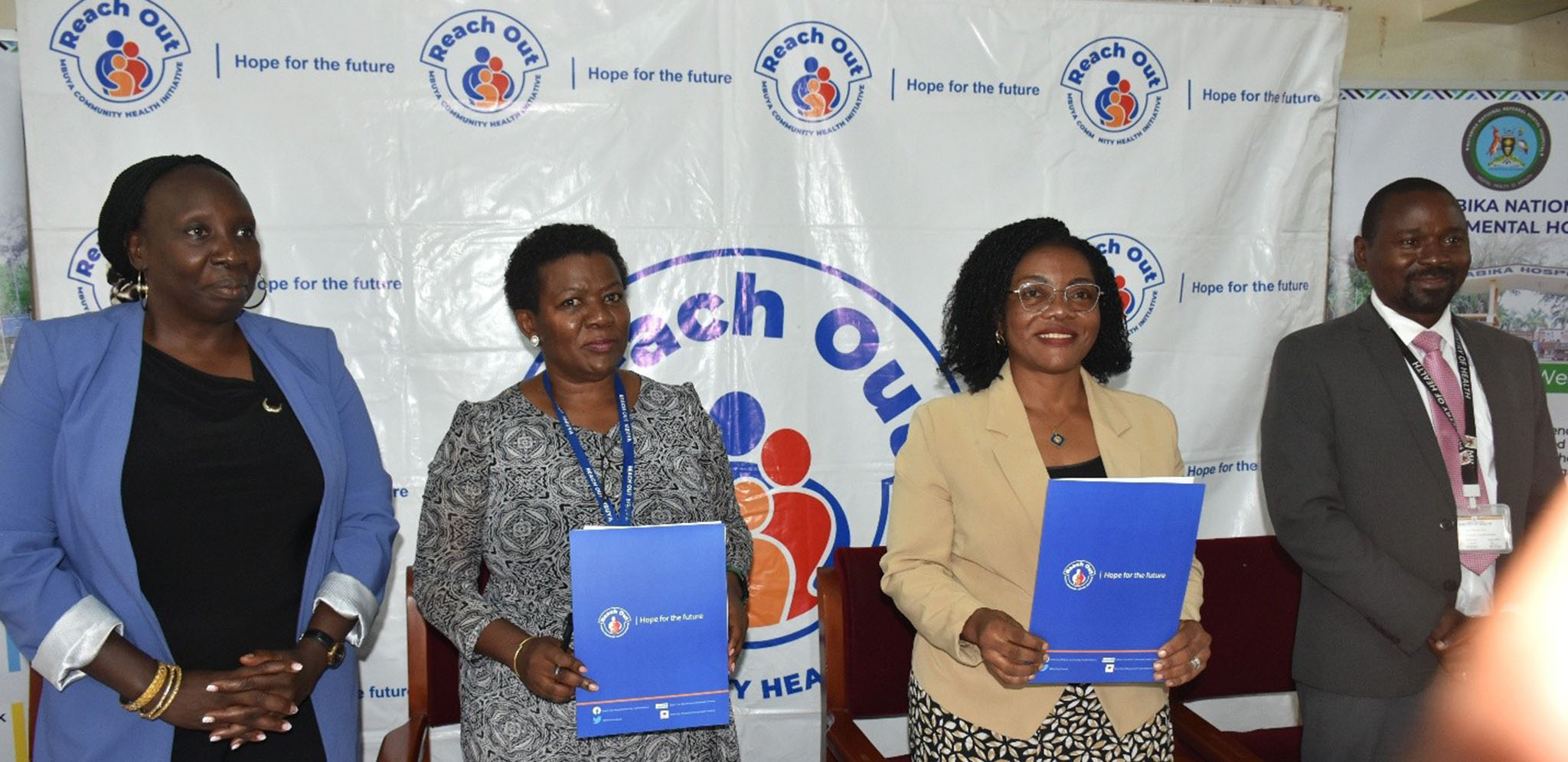
31st March 2026, Uganda marked a major milestone in its response to substance use and HIV prevention with the official handover of Opioid Agonist Therapy (OAT) also known Medication-Assisted Treatment. (MAT) services to Butabika National Referral Hospital, signaling a transition from partner-led implementation to full government ownership.
The handover formalized the transfer of service delivery, management, and oversight from Reach Out Mbuya Community Health Initiative (ROM) to the Government of Uganda through the Ministry of Health. This transition ensures continuity of high-quality, person-centered care for individuals living with opioid use disorder.
The Medication Assisted Treatment (MAT) program has been implemented at Butabika since 2020 with support from the U.S. Government through the Centers for Disease Control and Prevention (CDC). The Infectious Diseases Institute led implementation from 2020 to 2023, followed by Reach Out Mbuya Community Health Initiative from 2023 to 2025.
Speaking at the event, Dr Stella Alamo-Talisuna, Associate Director for Programs at CDC Uganda, emphasized the transformative impact of the integrated care model.
“The success of this program lies in its person-centered approach, providing treatment for opioid use disorder alongside HIV care, mental health services, and psychosocial support all in one place,” she said.
“This integrated model has contributed to improved health outcomes, including HIV prevention and viral suppression among people living with HIV.”
Dr. Alamo-Talisuna commended the leadership of the Ministry of Health and Butabika Hospital for their commitment to sustaining the program, including mobilizing additional resources. She also recognized the contributions of implementing partners in establishing and scaling the service.
“Today’s event is more than symbolic it marks the transfer of a fully functioning program into Uganda’s national health system,” she added.

Dr Stella Alamo-Talisuna, Associate Director for Programs at CDC Uganda
As part of the transition, a comprehensive package of assets, systems, and human resources were handed over to Butabika Hospital. These include a refurbished clinic designed for safe and confidential care, a mobile OAT dispensing van to support outreach services such as those at Kisenyi Health Centre IV, and an automated methadone dispensing unit to ensure accurate and safe dosing.
The handover also included essential medical equipment, clinical protocols, training materials, monitoring tools, and a team of ten specialized health workers comprising clinicians, counselors, pharmacists, and records staff who will now be fully integrated into the hospital system.
Dr Juliet Nakku, Executive Director of Butabika National Referral Mental Hospital, described the transition as a critical step toward sustainability.
“This transition represents a significant step in strengthening Uganda’s health system and ensuring the sustainability of this life-changing service,” she said.
She highlighted the program’s impact, noting that out of 928 patients enrolled since inception, more than 300 have successfully recovered.
“Many have been reintegrated into their families and communities, some have returned to work after receiving skills training, and others have stopped drug use and been gradually weaned off methadone,” Dr. Nakku added.
The integration of OAT services into the national health system reflects Uganda’s commitment to scaling evidence-based interventions that address both substance use disorders and HIV, ensuring that no one is left behind in accessing comprehensive care.

Dr Juliet Nakku, Executive Director Butabika National Referral Mental Hospital speaking